What is Padel?
Padel is currently most popular in Spain, Sweden, Portugal, United Kingdom, Argentina and Mexico – where Enrique Corcuera invented the sport of padel in Acapulco in 1969.
It can be played in groups of mixed ages and abilities as it is not dominated by strength, technique or serve. An important skill is match-craft, as points are won by strategy instead of by sheer strength and power. It is played mainly in a doubles format on an enclosed court, surrounded by walls of glass and metallic mesh about a third of the size of a tennis court.
The rules are broadly the same as tennis, although you serve underhand and the walls are used as part of the game with the ball allowed to bounce off them like with squash.

Let’s Play
Background Info
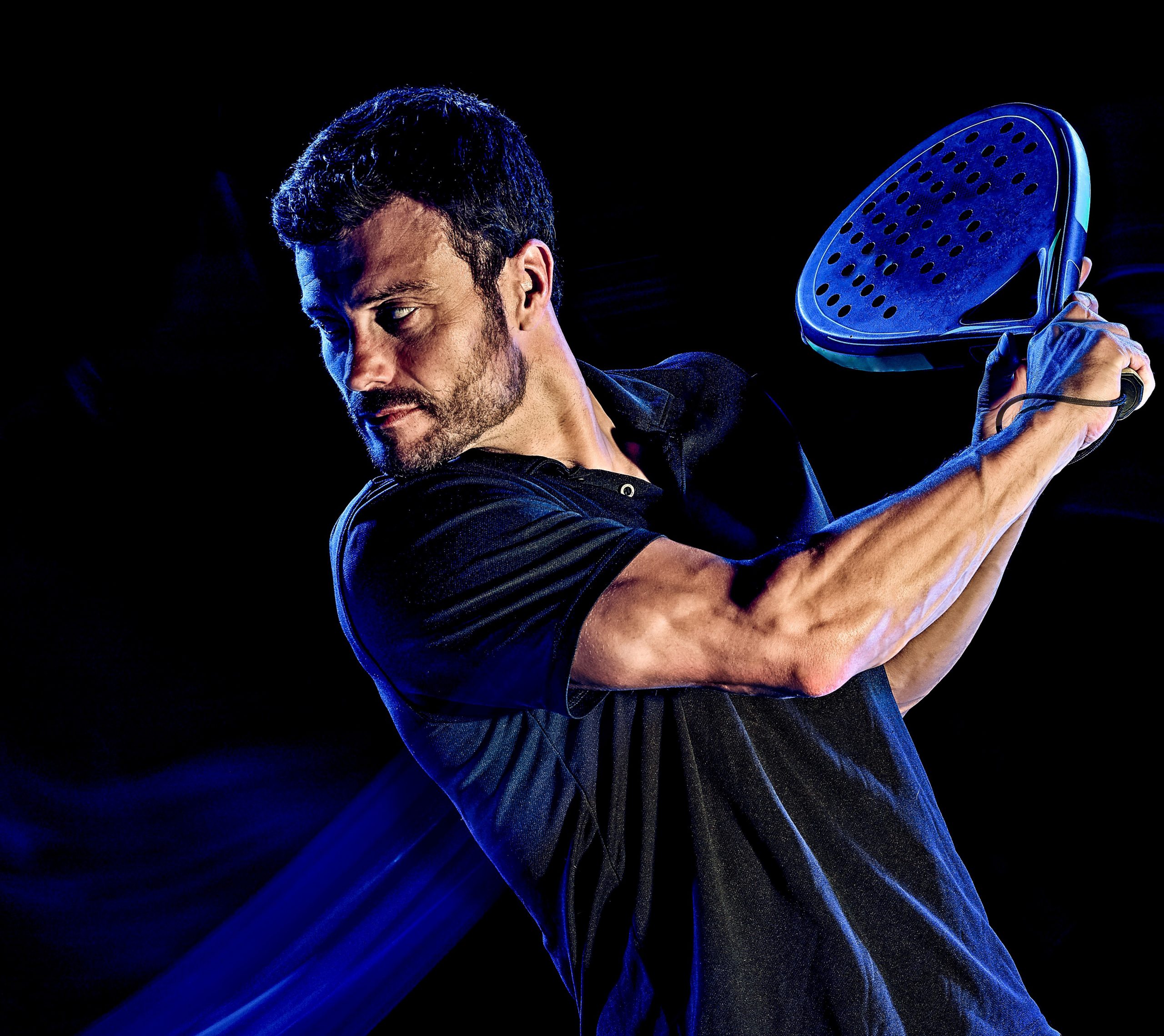
The fastest-growing sport in the world...
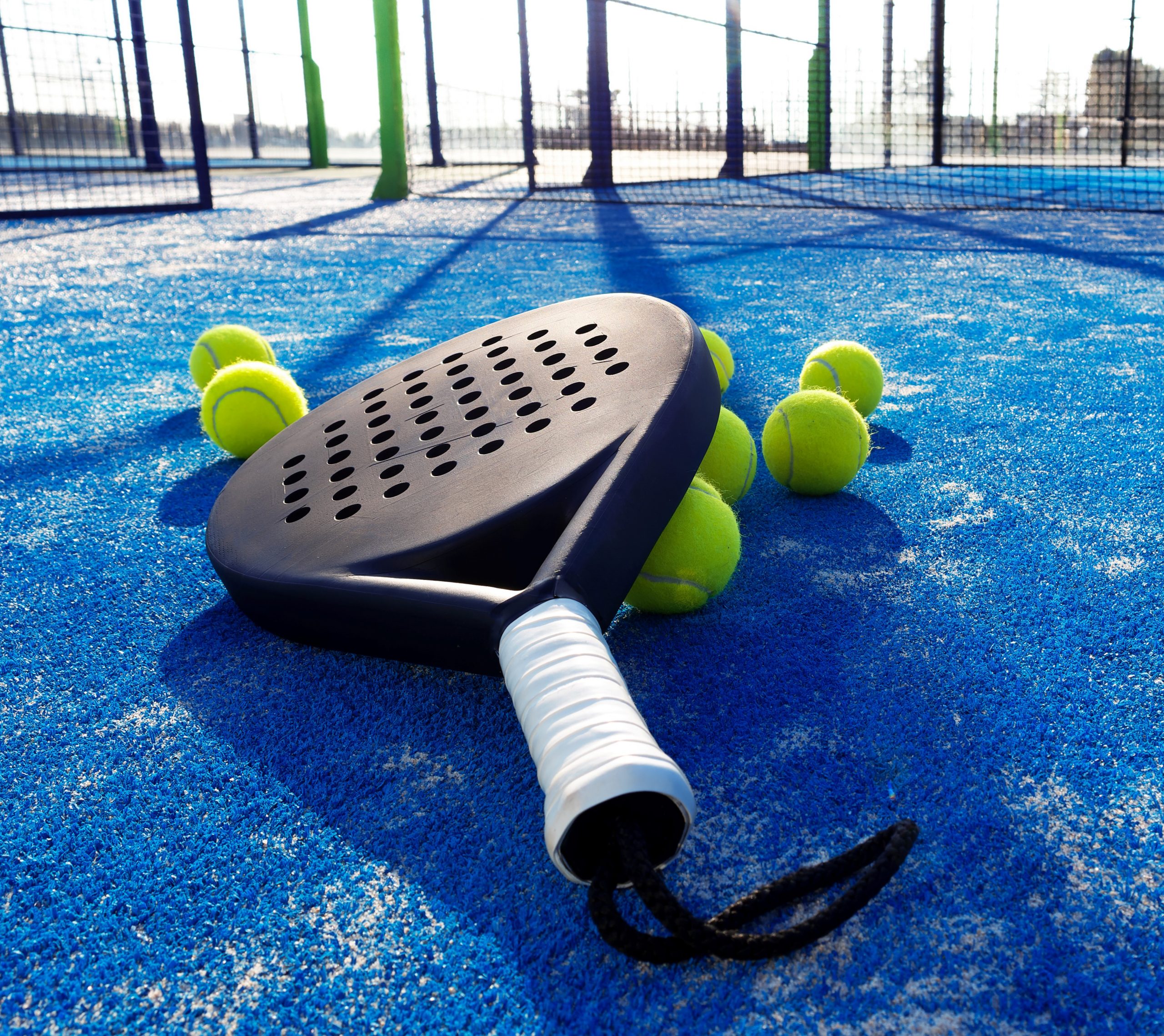
A racket, a ball, a partner and a wall...

Social, inclusive fun...
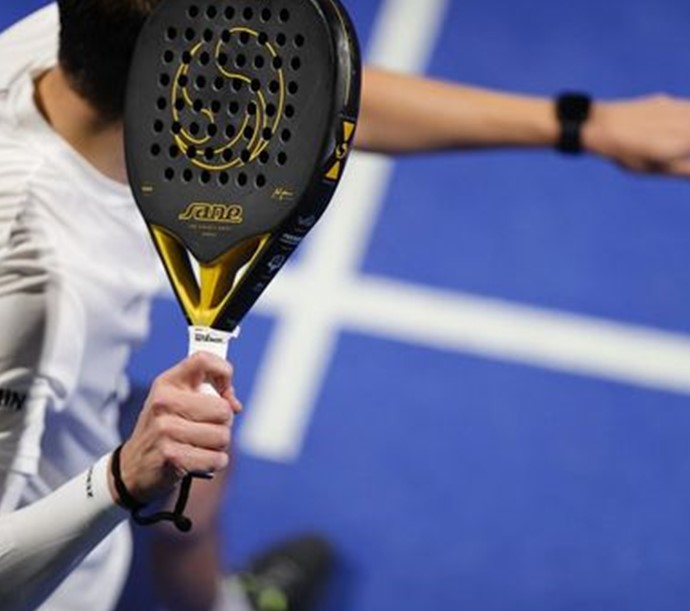
A game of inclusion....

Want to know more about this game changing sport?
The game
The gear
Padel Racket
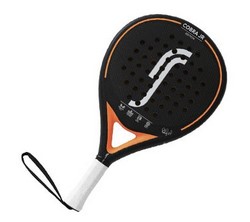
A Padel racket is similar to a tennis racket, but typically has a shorter handle and a solid hitting surface that is perforated with small holes to reduce air resistance and increase control.
Shoes

Padel shoes are similar to tennis shoes but provide ankle support and rubber reinforcements for durability.
Ball
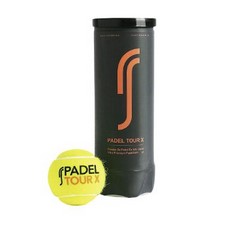
Padel balls have less pressure, so the ball bounces less than a tennis ball. The size of a Padel ball is also a little bit smaller and softer than a tennis ball.
The rules
- Padel matches should be played on a regulation Padel court that is 20m x 10m and is blue, green or terracotta red.
-
If the ball goes directly into the opponent’s glass wall, it counts as out. Before the ball hits the opponent’s glass wall, it must bounce on the ground.
-
You can play volleyball (not on serve), half volleyball or let the ball bounce on a glass/lattice wall.
-
You can also hit the ball on your glass wall to get it over to your opponent’s half of the field.
-
You must not hit the ball in the grid on your side. The rules in Padel are in many cases similar to the rules of tennis, but there are some exceptions, such as rules regarding the walls.
-
Padel games shall be played between two pairs of players using regulation Padel racquets.
-
Each match begins with a serve, which must be done underarm but like tennis must go diagonally into the opponent’s court.
-
Both teams must attempt to score more points than their opponents.
-
The opposition wins a point when any of the following occurs:
• The ball bounces twice.
• The ball strikes you or a teammate.
• The ball hits the wire fencing or another fixture before going over the net or going into the opponent’s court (out of bounds).
The score

Padel uses the same scoring system as tennis. The rules allow for the use of the back and sidewalls, which results in longer rallies then in a conventional tennis match. Points are won through strategy rather than by strength and power. You play the best of 3 or 5 sets, and in each set, you have to win 6 games. In a match, points are counted as follows: 0, 15, 30, 40, game. If the score is 40-40, you must win by two points for the game to be decided.
In one set, it is important to come first to 6 won games. If, on the other hand, the score is 5-5, you play to 7 won games. If the score is 6-6, you play a decisive game, called a tie break. Tie break is first played to 7 won points, where you must also win by at least 2 points.
The serve

The serve is underarm, and the ball should be hit at, or below, waist height. Instead of throwing the ball, as you do in tennis, you should bounce the ball on the ground. The bounce must be behind its server window and between the centre line and the sidewall. The serve should go diagonally and bounce in the opponent’s opposite server box. The serve is also valid if it bounces up against the opponent’s glass wall, but if it bounces up in the opponent’s grid, it is incorrect.
Just like in tennis, you have a first serve and a second serve, i.e. if you miss your first serve, you have another chance. If you also miss the second serve, there will be a double error and the points will go to the opponent. If the ball at the serve touches the net before it enters, it must be turned over.
Glass walls
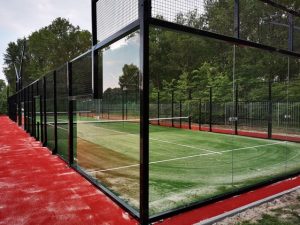
When you are about to receive a ball, you can let it bounce up against the glass wall after it as bounced on the ground, the ball is then still alive. You can also use your glass wall to hit the ball back – it can be useful if you end up in a tight situation. The grid may only bounce the ball up when receiving a ball, the ball is then alive if it first bounces on the ground and then upon the grid (this does not apply to serve).
If you hit the ball in the grid on your side, you lose the ball. On its side, the rule is that you may only use the glass wall if the ball goes directly into your opponent’s grid/glass, i.e. does not bounce on the ground first, the ball is counted as out.
Get in Touch!
info@topadel.co.za

Scan your booking!